


「レッツゴー キャム!」Cam, Ikuzo! Come follow Camden’s journey! May 2026
更新日:2026年5月1日
Symbols in Japan Representing “Invisible Struggles”
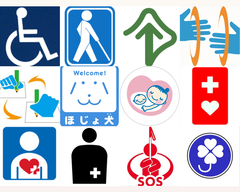
Examples of symbols representing "invisible struggles"
The number of foreign residents living in Japan continues to grow year by year, and with that, discussions about building a society where Japanese and foreign residents can live comfortably together have become more active than ever. For many foreign residents, adapting to daily life in Japan is far from easy. From understanding garbage sorting rules and disaster response procedures to navigating the subtle social customs and unspoken expectations that Japanese people naturally become used to from childhood, there are many moments that can leave one feeling lost. In Japan, many initiatives exist to support people living with disabilities and other forms of hardship, but those unfamiliar with these initiatives may fail to notice them and miss opportunities to offer consideration. I experienced this myself when I first arrived in Japan, and I would see a red tag with a white cross and heart attached to someone’s bag and have no idea what it meant. Experiences like that one inspired me, as a Coordinator for International Relations (CIR), to think about what small contribution I could make in my own way, and I decided to create a bilingual English-Japanese guide to the symbols that can be seen in Japan that represent “invisible struggles.”
The guide introduces 12 marks used in Japan with English explanations, including the “Maternity Mark,” “Help Mark,” “Heart Plus Mark,” “Ear Mark,” and “Service Dog Mark”, and is published on the Matsudo City website. Each is a thoughtful symbol designed to communicate situations that aren’t visible from the outside―such as early pregnancy, internal organ conditions, hearing impairments, or the need for a service dog―to those who are in the area or facility. The guide explains where each symbol can be seen and what each one means. As I researched them one by one, what impressed me most was how carefully each symbol has been designed, and how robust the efforts are to raise awareness of their meaning. For example, the Tokyo Metropolitan Government Bureau of Social Welfare’s “Help Mark Story Collection” webpage shares real-life stories of how the red tag with the white cross and heart mentioned earlier known as the Help Mark has been useful in everyday situations. Among the entries from fiscal year 2024, one person described an experience at the Tokyo National Museum in Ueno: “I was simply waiting in the line to enter a shop, but a staff member noticed my Help Mark and let me know I could enter through a different route.” This shows how wearing the mark allows people to receive the consideration they need without having to explain themselves in words. I felt that the sharing of these kinds of stories is itself a thoughtful effort, as it gently encourages those who are hesitant about using a Help Mark to try using one through real stories showing its practical value.
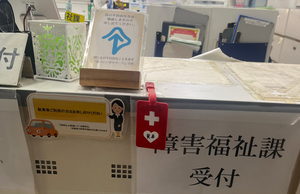
"Ear Mark" and "Help Mark" displayed at a service counter
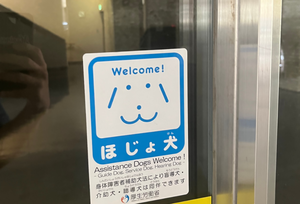
"Service Dog Mark" displayed at an entrance
However, the effectiveness of these symbols depends greatly on whether the people around the wearer understand what they mean. If they aren’t recognized, they go unnoticed and fail to lead to support. Even I, without consciously realizing it, came to notice just how often these symbols appear in familiar places throughout my daily life. Many of the service counters at city hall display the “Ear Mark,” indicating consideration for those with hearing impairments, and the “Service Dog Mark” can be seen at various entrances, including at the assembly building’s entrance. Precisely because so many of these symbols have already become ingrained into our everyday lives, I feel there is great value in knowing what they mean. I imagine that even among foreign residents who have lived in Japan for a long time, there are some who aren’t aware of the meanings of these symbols, so I hope this guide could be of help to them as well.
To everyone reading this column, I would love for you to take a look at the guide I created, learn the meaning of each symbol, and share that knowledge with those around you. Recognizing and respecting these symbols is one way each of us can quietly contribute to building a society of intercultural cohesion where everyone can live together in harmony.
 Symbols in Japan Relating to “Invisible Struggles” - 見えない苦しみ’に関する日本のマーク (Guide)(PDF:21,406KB)
日本の「見えない苦しみ」を表すマーク
「見えない苦しみ」のマークの例
日本に住む外国人住民は年々増え続けており、それに伴い、日本人と外国人が共に快適に暮らせる社会づくりについての議論もこれまで以上に活発になっています。多くの外国人住民にとって、日本での日常生活への適応は決して簡単なことではないと思います。ごみの分別ルールや災害時の対応の理解から、日本人が幼い頃から自然に身につける細やかな社会習慣や暗黙の期待まで、戸惑う場面が少なくありません。日本では、障害など苦しみを抱えている方のための取り組みが多く行われていますが、その取り組みに馴染みのない方は気づけず、配慮ができない場合があります。私自身、来日したばかりの頃は、誰かのバッグに付けられた赤いタグに白い十字とハートが描かれているマークを見ても、何を意味しているのか分かりませんでした。そのような経験をきっかけに、国際交流員(CIR)として自分なりにどのような小さな貢献ができるかを考え、日本の「見えない苦しみ」を表すマークについての英日両言語のガイドを作成することにしました。
このガイドでは、日本で使われている「マタニティマーク」、「ヘルプマーク」、「ハート・プラスマーク」、「耳マーク」、「ほじょ犬マーク」など、約12種類のマークを英語で紹介しており、松戸市のホームページに掲載されています。それぞれ、外見からは分からない状況――妊娠初期、内臓疾患、聴覚障害、補助犬の必要性など――を周囲に伝えるための思いやりのあるシンボルであり、ガイドには、各マークをどのような場所にあるのか、そしてどのような意味を持つのかという説明を入れています。一つひとつ調べていくうちに私が一番感心したのは、どのマークも丁寧に設計されており、その意味を啓発するための取り組みもしっかり行われているという点でした。例えば、東京都福祉局の「ヘルプマークのエピソード集」というウェブページでは、先ほど触れた赤いタグに白い十字とハートのシンボルが実際の場面でどのように役立っているのかが紹介されています。その中の令和6年度のエピソード紹介では、ある方が上野の国立博物館でショップに入る列に並んでいた際の体験について、「スタッフの方がヘルプマークに気づいて下さって、別ルートで入れることを教えてくださいました」と書いており、マークをつけることで、言葉にしなくても必要な配慮が受けられることが分かります。こうした体験談は、ヘルプマークを使うべきか迷っている人にもその価値を具体的に伝え、利用を後押しする丁寧な工夫の一つだと感じました。
窓口にある「耳マーク」と「ヘルプマーク」
入口にある「ほじょ犬マーク」
ただ、こうしたマークの効果は、周りの人々がその意味を理解しているかどうかに大きく左右されます。認知されていなければ、気づかれず支援につながらないでしょう。私も、日々の生活の中で意識しないうちに、いかにこうしたマークが身近な場所に掲げられているかということに気づきました。市役所の多くの窓口には耳の不自由な方への配慮を表す「耳マーク」があり、議会棟を含めて様々な入口で「ほじょ犬マーク」も目にします。これだけ多くのマークが既に私たちの生活の中に溶け込んでいるからこそ、その意味を知っておくことには大きな価値があると感じました。日本に長い間住む外国人の方の中にも、これらのマークの意味を知らない人がいると思いますので、このガイドがそういった方にも役に立てば嬉しいです。
このコラムを読んでいる皆さんには、ぜひ私が作成したガイドをご覧いただき、それぞれのマークの意味を学び、周りの方々にも共有していただければと思います。マークを認識し尊重することは、多文化共生の社会づくりに私たち一人ひとりが静かに貢献できる方法の一つです。
Symbols in Japan Relating to “Invisible Struggles” - 見えない苦しみ’に関する日本のマーク (Guide)(PDF:21,406KB)
松戸市の「国際交流員」 Matsudo City's Coordinators for International Relations
PDF形式のファイルを開くには、Adobe Acrobat Reader(旧Adobe Reader)が必要です。
お持ちでない方は、Adobe社から無償でダウンロードできます。